
As the vibrant colors of autumn fade, our focus shifts to preparing our homes and landscapes for the coming cold. Here in Connecticut, winter brings a quiet beauty, but it also presents significant challenges for our trees. After decades of working with trees across this state, we’ve seen how a little preparation can make all the difference. Proper winter tree care in Connecticut is not just about aesthetics; it’s about protecting your valuable natural assets from the harsh elements and ensuring they return healthy and strong in the spring.
Many people think that once the leaves drop, trees go dormant and don’t require any attention until spring. This is a common misconception. The winter months are a critical time for trees. They face stressors like heavy snow, ice accumulation, and strong winds, all of which can cause significant damage. A proactive approach to tree care during this season can prevent broken limbs, structural damage, and even the loss of a mature tree.
Why Winter Poses a Unique Threat to Connecticut Trees
The combination of snow, ice, and wind creates a perfect storm of potential problems for trees. Understanding these specific threats helps highlight the importance of dedicated winter tree care in Connecticut.
The Weight of Snow and Ice
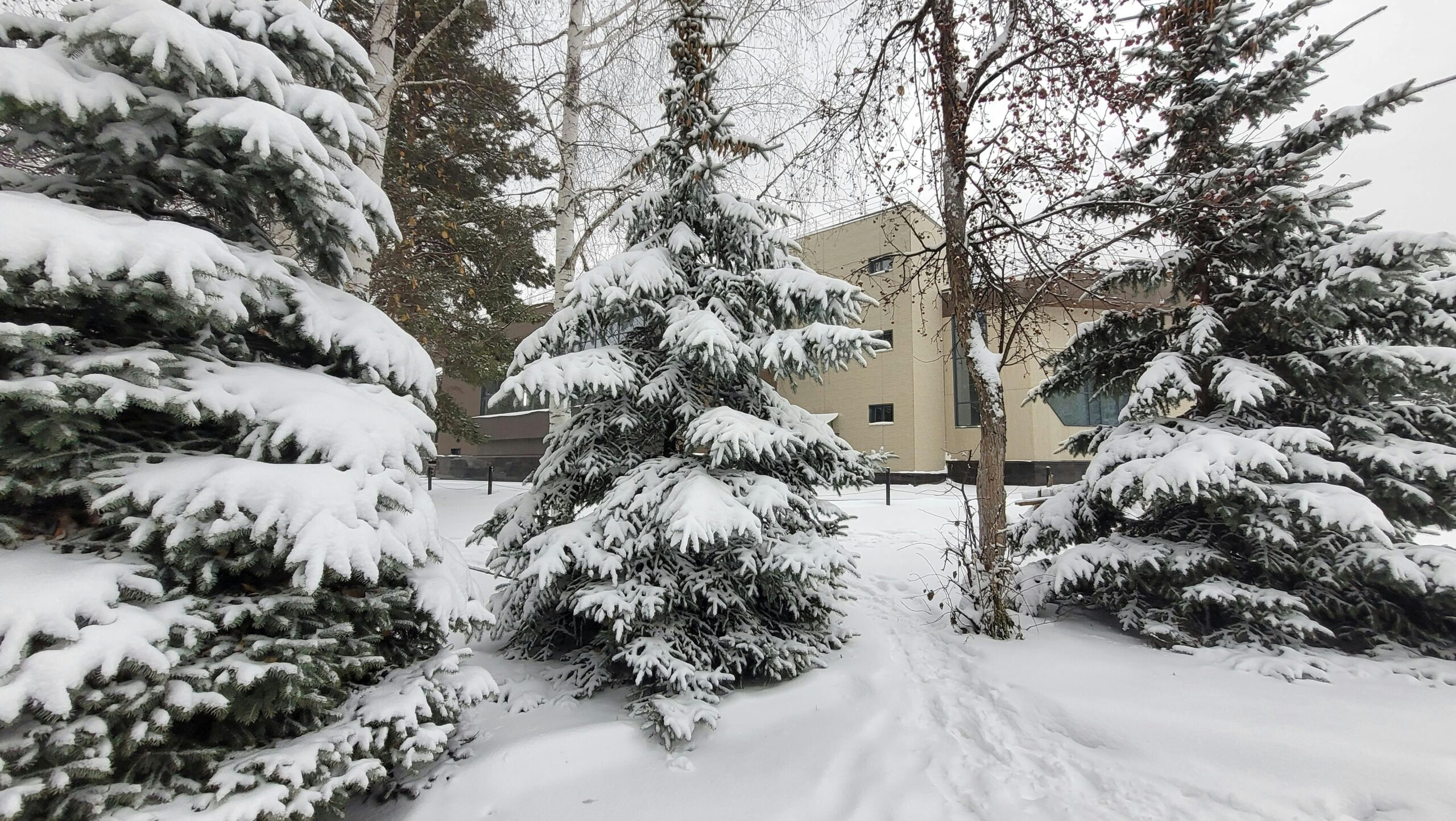
A picturesque, snow-covered tree can be beautiful, but the weight can be incredibly destructive. Heavy, wet snow places immense stress on branches, especially on evergreens that retain their needles. Ice storms are even more dangerous. A layer of ice can increase the weight of a branch by up to 30 times, according to the U.S. Forest Service. This immense load can cause branches to snap or entire trees to split, posing a serious risk to your home, vehicles, and anyone nearby.
Damage from Winter Winds
Winter storms often bring strong, gusting winds that can wreak havoc on trees, particularly those with pre-existing weaknesses. A branch that was already compromised might not withstand a fierce winter gale. Trees with dense, unpruned canopies act like sails, catching the wind and increasing the likelihood of uprooting or major structural failure.
Sunscald and Frost Cracking
The winter sun can also be a problem. On a bright, cold day, the sun can warm the bark on the south or southwest side of a tree. When the sun sets or goes behind a cloud, the bark rapidly cools and contracts, which can cause it to split open. This condition, known as sunscald or frost cracking, creates a wound that leaves the tree vulnerable to pests and diseases.
Proactive Steps for Winter Tree Care
Taking action before the worst of the weather arrives is the most effective strategy. We focus on a few key areas to prepare trees for the rigors of a New England winter.
Strategic Pruning and Trimming
The single most important task for winter tree care in Connecticut is professional pruning. The dormant season is the ideal time for this work because the absence of leaves allows us to see the tree’s entire structure clearly. We can easily identify and remove dead, weak, or crossing branches that are likely to fail under the weight of snow or ice.
Proper pruning does more than just remove problem branches. It also helps to thin the canopy, allowing wind to pass through more easily rather than pushing against the tree. This reduces the risk of the entire tree being uprooted during a storm. This is not a job for amateurs; improper cuts can harm the tree and create entry points for disease.
Mulching to Protect the Roots
A tree’s root system is its foundation. Applying a layer of mulch around the base of a tree before the ground freezes helps to insulate the soil. This protects the roots from extreme temperature fluctuations and helps retain soil moisture. We recommend a 2- to 4-inch layer of organic mulch, such as wood chips, spread out to the tree’s dripline but kept a few inches away from the trunk itself to prevent rot.
Protecting Young Trees
Young and newly planted trees are especially vulnerable to winter damage. Their thin bark is susceptible to sunscald and damage from gnawing animals like rabbits and voles who seek out food sources in the winter. Using commercial tree guards or wraps can provide a critical layer of protection for the trunk.
What to Do After a Winter Storm
Even with the best preparation, severe weather can still cause damage. Knowing how to respond is a key part of effective winter tree care in Connecticut.
If a storm leaves your trees laden with heavy snow, you might be tempted to shake it off. We advise caution. Branches are brittle when frozen and can easily snap. If you can, use a broom to gently push snow off smaller, accessible branches. Never stand directly under a branch you are clearing. For large, high branches or anything coated in ice, it’s safest to let nature take its course or call in a professional. Trying to break ice off branches almost always causes more harm than good.
After a storm, inspect your trees for any broken or hanging limbs. These are often called “widow-makers” for a good reason; they can fall at any time without warning. Damaged branches should be professionally removed as soon as it is safe to do so to prevent further tearing of the bark and to ensure the tree can heal properly.
Partner with Sandweiss for Your Tree Care Needs
For over 30 years, our family-owned business has been dedicated to preserving the health and beauty of trees throughout the region. We are fully licensed and insured, and our team of arborists has the expertise to handle all aspects of winter tree care in Connecticut, from preventative pruning to emergency storm damage response.
We understand that your trees are a significant investment in your property’s value and appeal. Our goal is to provide the care they need to not only survive the winter but to thrive for years to come. We use our knowledge of local conditions and tree biology to create a customized care plan for your landscape.
Don’t wait for a winter storm to reveal a problem. Let us help you prepare your trees for the season ahead. Contact Sandweiss Tree Care today to schedule a consultation.